
“Use instead of curtailment” is becoming a legal principle
Sector coupling, and the use of green hydrogen are receiving an important boost – the STOFF2 technology is perfect for this
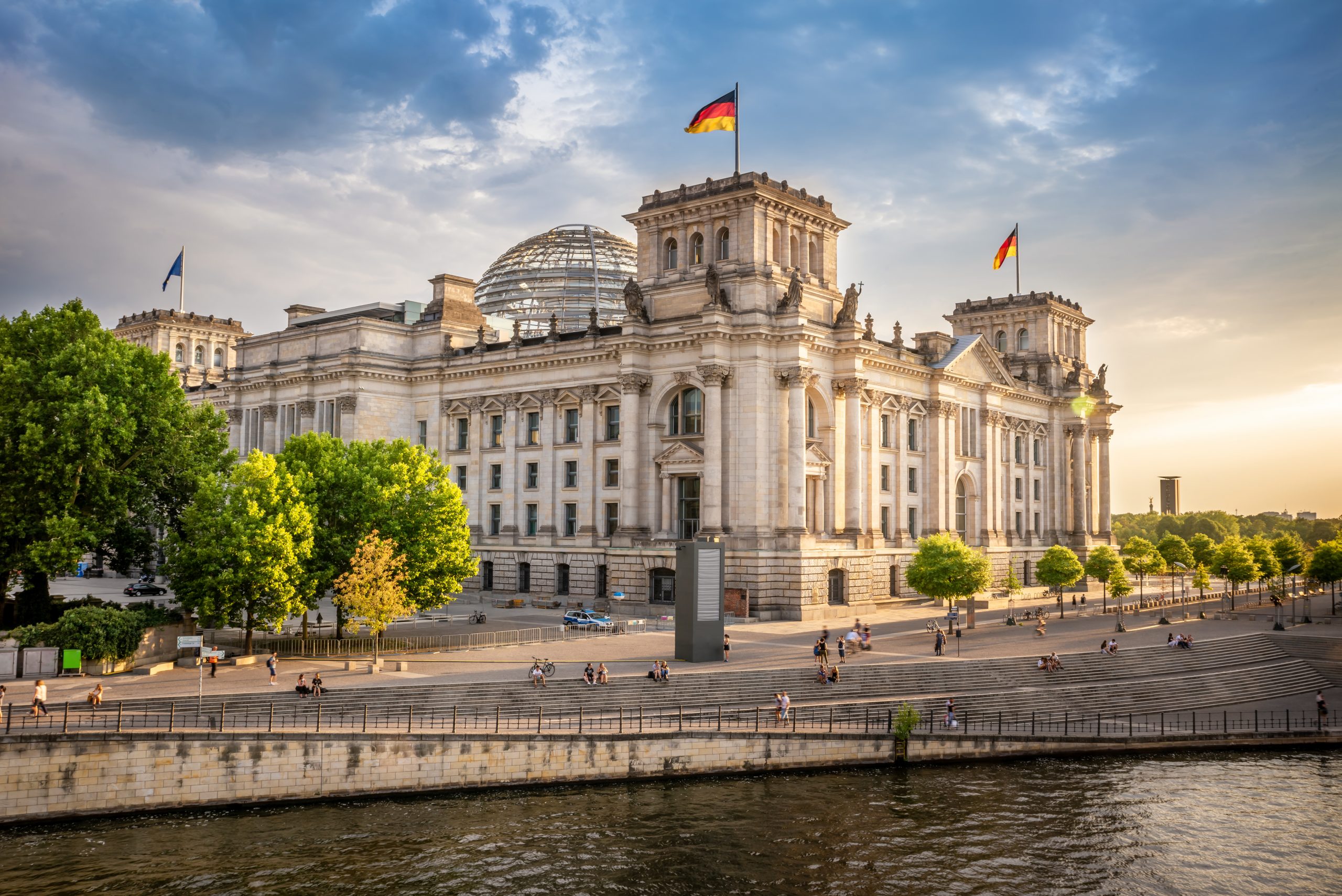
On November 10, 2023, the German Bundestag decided to introduce paragraph 13k in the Energiewirtschaftsgesetz (EnWG). “Use instead of curtailment” becomes the requirement when it comes to renewable electricity that cannot be used due to a lack of sufficient grid capacity or low demand for electricity. What does “use instead of curtailment” mean specifically, and what positive effects does this principle have?
In recent years, the costs of renewable electricity volumes, which are inevitably curtailed by grid operators, have risen massively. In 2022, costs totaling more than 10 billion euros were incurred for renewable energy curtailment and the so-called redispatch, which had to be covered by the federal budget. Redispatch is the name given to switching on coal or gas power plants, particularly in southern and western Germany, when there is a large supply of wind and solar power available which cannot be transported there due to a lack of sufficient grid capacity. The wind farms and PV systems are then switched off, even though there is sufficient demand for electricity, and their operators receive corresponding compensation for their outage. At the same time, electricity from gas and coal-fired power plants must also be compensated. The German Bundestag has now decided on a regulation that will stop the further increase in the costs of unused green electricity and at the same time enable an additional contribution to the ramp-up of the hydrogen economy and climate protection: The new paragraph 13k of the EnWG stipulates that from October 2024 curtailed renewable electricity can be used by highly flexible electricity consumers with a connected load of at least 500 kW through a newly established auction mechanism. Highly flexible and therefore network-friendly systems can absorb this otherwise curtailed energy and use it to convert it for example into green hydrogen.
STOFF2 welcomes the new regulation decided by the Bundestag. The new paragraph 13k of the EnWG now ushers in a turning point in dealing with renewable electricity quantities that would otherwise be curtailed: instead of leaving them unused in an economically inefficient manner, they will accelerate sector coupling in the future. The use of renewable electricity in the form of green molecules is becoming an equivalent option. The green hydrogen economy will receive an important additional boost. This means that the amounts of electricity that were previously “thrown away” can now be used – for example in the form of green hydrogen from the Zink Zwischenschritt Elektrolyzer (ZZE) from STOFF2. The ZZE technology is technically and economically ideally suited for the use of electricity that would otherwise have to be curtailed: four to six hours of absorption of “curtailed current” enable continuous hydrogen release for up to 20 hours. In this way, a ZZE can generate and provide green hydrogen particularly cost-effectively and in line with demand. The new paragraph 13k enables our customers to use this quality even more intensively.